
Dental Implants: Maintenance and Care Protocols
Dental implants need specialized maintenance. Learn how professional cleanings, home care routines, and peri-implantitis prevention protect your implant investment at North Toronto Dental Centre.
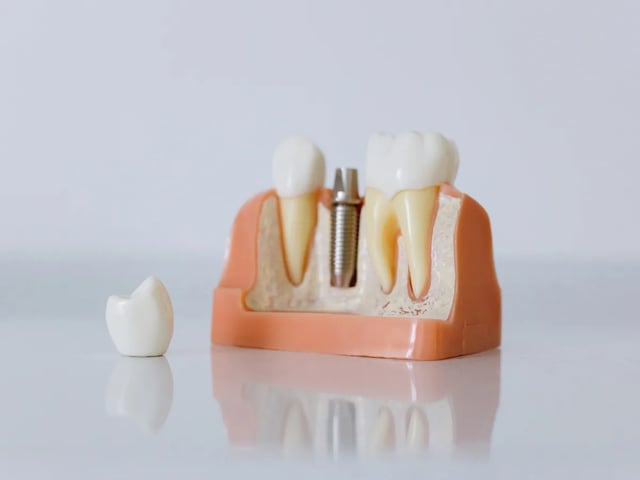
Dental implants need specialized maintenance. Learn how professional cleanings, home care routines, and peri-implantitis prevention protect your implant investment at North Toronto Dental Centre.
Why Dental Implant Maintenance Matters
When patients invest in dental implants as a permanent tooth replacement solution, understanding proper maintenance is essential for long-term success. Dental implants require specialized care protocols that differ from natural teeth, involving both professional cleaning techniques and consistent home care routines designed to protect implant health and prevent complications.
At North Toronto Dental Centre, located at 1942 Avenue Rd, North York, ON, M5M 4A1, patients with dental implants receive comprehensive maintenance education and professional care. The dental team recognizes that long-term implant success depends heavily on ongoing maintenance and patient compliance.
Specialized Cleaning Instruments for Dental Implants
Professional maintenance of dental implants requires instruments specifically designed to protect implant surfaces. Traditional metal scalers can scratch titanium implants, creating areas where bacteria can accumulate and increase the risk of complications.
Professional Cleaning Tools for Dental Implants:
- Plastic scalers for gentle plaque removal
- Carbon fiber instruments for calculus removal
- Ultrasonic devices with non-metal tips
- Air polishing systems using glycine powder
- Antimicrobial irrigation solutions
The dental hygienist at North Toronto Dental Centre uses these specialized tools during regular maintenance visits, typically scheduled every three to four months for dental implant patients.
Professional Cleaning Techniques for Dental Implants
Cleaning dental implants requires a gentler yet precise approach compared to natural teeth. Professional maintenance focuses on the implant crown, abutment, and the critical junction where the implant meets the gum tissue.
During each visit, the hygienist evaluates peri-implant tissues for inflammation or infection. Plaque and calculus are carefully removed using implant-safe instruments, followed by antimicrobial irrigation. Polishing is performed using low-abrasive agents specifically formulated for implants to preserve the smooth surface that discourages bacterial buildup.
Peri-Implantitis Prevention Strategies
Peri-implantitis is a serious condition involving inflammation and bone loss around dental implants. Preventing this complication requires proactive care and early intervention.
Key Prevention Strategies:
- Professional maintenance every 3–4 months
- Comprehensive plaque control education
- Smoking cessation counseling
- Management of systemic health conditions
- Early detection through regular monitoring
Research shows that patients who maintain consistent professional care have significantly lower rates of peri-implantitis.
Early Detection Through Regular Monitoring
Routine monitoring allows dental professionals to identify early signs of implant-related issues before they progress. Examinations include visual assessments, probing measurements, and radiographic evaluations.
Warning signs may include bleeding on probing, increased pocket depths, discharge, or radiographic bone loss around the implant. At North Toronto Dental Centre, baseline measurements taken after implant placement allow for accurate comparison during future visits.
Patient Education on Proper Flossing Techniques
Home care around dental implants requires specialized flossing methods, as traditional floss may not effectively clean around implant restorations.
Effective Flossing Aids for Dental Implants:
- Super floss for cleaning beneath bridges
- Floss threaders for hard-to-reach areas
- Interdental brushes for wider spaces
- Water flossers for additional plaque control
- Gentle techniques to protect surrounding tissues
Patients receive hands-on instruction during maintenance appointments to ensure proper technique and confidence with these tools.
Brushing Protocols for Dental Implants
Although dental implants cannot develop cavities, the surrounding tissues remain vulnerable to inflammation if plaque accumulates. Proper brushing technique is essential.
Soft-bristled toothbrushes are recommended to prevent tissue trauma, while electric toothbrushes can improve consistency and effectiveness when used gently. Patients should focus on the gum line using small circular motions and spend approximately 30 seconds per implant site to ensure thorough cleaning.
Antimicrobial Rinses and Adjunctive Care
Antimicrobial mouth rinses enhance mechanical cleaning by reaching areas brushes and floss may miss. These rinses help control bacteria around dental implants.
Short-term use of chlorhexidine may be recommended during healing or inflammation, while alternative antimicrobial rinses may be better suited for long-term use. Rinses should always supplement, not replace, brushing and flossing.
Long-Term Success Factors for Dental Implants
Long-term implant success relies on consistent maintenance and healthy lifestyle choices. Studies show implant survival rates exceed 95% over ten years when patients follow recommended care protocols.
Contributing factors include excellent home care, regular professional maintenance, smoking cessation, and management of systemic conditions such as diabetes.
North Toronto Dental Centre offers comprehensive dental implant maintenance services using specialized protocols to protect implant health. Contact the clinic at 416-783-4433 or reception@ntdental.ca to schedule your implant maintenance appointment.
The clinic is open Monday through Thursday from 8:00am to 6:00pm and Friday and Saturday from 8:00am to 3:00pm (two Saturdays per month), providing flexible scheduling for ongoing implant care.
Understanding and following proper maintenance protocols allows dental implant patients to protect their investment and enjoy stable, functional tooth replacement for many years. Learn more about dental implants in North York at North Toronto Dental Centre.
Written by
North Toronto Dental Centre
North Toronto Dental Centre
Keep reading.
Book the visit your future smile will thank you for.
New patients welcome. Same-week appointments are usually available.