
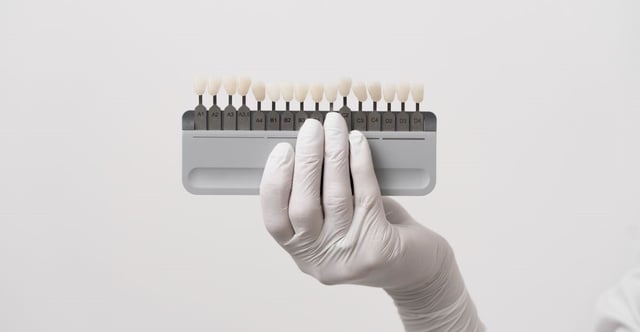
Dental veneers are cosmetic dental restorations used to improve the appearance of teeth that are stained, severely discoloured, chipped, cracked, worn, unevenly shaped, or spaced. Veneer treatment may involve composite, porcelain, E.max, or zirconia materials, with recommendations based on aesthetics, durability, bite factors, case complexity, and patient goals.
What Patients Should Know About Dental Veneers
- Dental veneers may improve stained, severely discoloured, chipped, cracked, worn, uneven, or spaced teeth.
- Available veneer materials include composite, porcelain, E.max lithium disilicate, and zirconia.
- Material recommendations are based on aesthetics, durability, and bite factors.
- Suitability for veneer treatment is assessed case by case.
- Digital intraoral scanning, conservative techniques, and precision bonding protocols may be used.
- Cost varies by material and number of teeth, with single veneer vs full smile planning explained clearly before treatment.
- Proper hygiene, routine checkups, bite protection, and lifestyle guidance are part of long-term maintenance.
- Realistic expectations are always set before treatment begins.
- Lifespan varies based on material and oral habits.
When you are unhappy with the appearance of your teeth, it can affect your confidence in professional and social settings. Finding the right cosmetic dentistry approach is an important step toward achieving the smile you desire. At North Toronto Dental Centre, we provide comprehensive evaluations for dental veneers in North York, focusing on personalized planning, realistic expectations, and materials tailored to your unique oral health needs.
What Are Dental Veneers?
Dental veneers are cosmetic restorations used to improve the appearance of teeth with staining, severe discolouration, chips, cracks, wear, gaps, or uneven shapes. Suitability is assessed case by case, and material recommendations depend on aesthetics, durability, and bite factors.
Understanding the dental veneers meaning is simple: they are custom-crafted shells designed to cover the front surface of your teeth.
Depending on your specific goals, veneer teeth treatments may address:
- Stained or severely discoloured teeth.
- Chipped, cracked, or worn teeth.
- Gaps or uneven tooth shapes.
- Broader smile enhancement or makeover cases.
Because every smile is different, suitability for a veneer dental procedure is always assessed on a case-by-case basis.
Who Are Dental Veneers Recommended For?
Dental veneers may be recommended for patients with stained or severely discoloured teeth, chipped, cracked, or worn teeth, gaps, uneven tooth shapes, or smile enhancement goals.
Stained or Severely Discoloured Teeth
For many patients, standard Teeth Whitening may not be enough to lift deep, intrinsic stains. In these situations, veneers may be considered when severe discolouration is a primary cosmetic concern.
Chipped, Cracked, or Worn Teeth
Everyday wear and tear or minor trauma can alter the shape of your teeth. Veneers may help improve the appearance of chipped, cracked, or worn teeth, restoring a more uniform look. Suitability for this restorative step is assessed case by case.
Gaps or Uneven Tooth Shapes
If you have minor spacing issues or unevenly shaped teeth, veneers may be recommended to create a more balanced and aligned appearance without the need for traditional orthodontics.
Smile Enhancement or Makeover Cases
For patients looking for a comprehensive transformation, veneers are often a core component of a complete Smile Makeover.
What Types of Veneers Are Available?
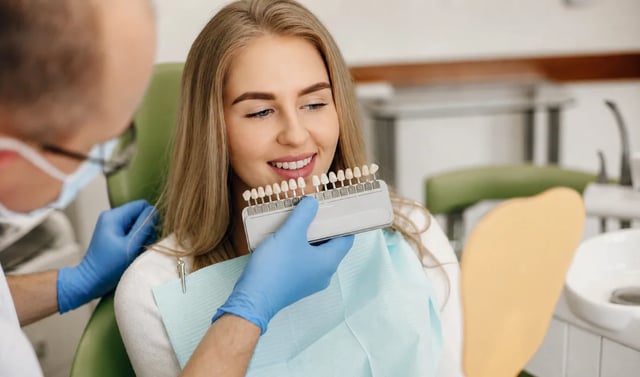
North Toronto Dental Centre lists composite veneers, porcelain veneers, E.max lithium disilicate veneers, and zirconia veneers. Material recommendations are based on aesthetics, durability, and bite factors.
Choosing the right material is a collaborative process between you and your dentist. We carefully evaluate your bite and long-term goals to recommend the best option.
Veneer Material Options
| Veneer Material | What Patients Should Know |
|---|---|
| Composite veneers | Listed as an available veneer material. |
| Porcelain veneers | Listed as an available veneer material. |
| E.max veneers | Lithium disilicate veneers listed as an available material. |
| Zirconia veneers | Listed as an available veneer material. |
| Material choice | Based on aesthetics, durability, and bite factors. |
How Are Dental Veneers Planned?
Veneer planning may include digital intraoral scanning, minimal-prep or conservative techniques, precision bonding protocols, and technology selected based on case complexity.
A successful outcome relies on careful, highly personalized planning. Our approach to designing your new smile involves several key steps:
- Smile goals and concerns are reviewed: The dentist evaluates exactly what you want to improve about your smile.
- Suitability is assessed case by case: Not every patient or tooth is automatically suited for veneers; a thorough Dental Exams process is required.
- Veneer material is selected: Material recommendations are made based on aesthetics, durability, and bite factors.
- Digital technology may be used: Digital intraoral scanning may be utilized to support precise treatment planning.
- Technique is chosen based on complexity: Minimal-prep or conservative techniques and precision bonding protocols may be used depending on the condition of your teeth.
What Is the Difference Between a Single Veneer and a Full Smile?
A single veneer may be planned for one tooth, while a full smile approach may involve multiple veneers. The overall investment varies by material and number of teeth, and a personalized treatment and cost plan is provided.
Some patients only need to address one problem tooth, while others want a broader transformation. The differences between a single veneer vs a full smile are explained during your consultation.
Because the scope of treatment changes, the total investment varies by material and the number of teeth involved. To make the process manageable, a personalized treatment and cost plan is provided, and phased treatment options may be discussed.
How Much Do Dental Veneers Cost?
Dental veneer cost varies by material, number of teeth, and whether the treatment involves a single veneer, multiple veneers, or a full smile plan. North Toronto Dental Centre provides a personalized treatment and cost plan before proceeding.
When patients research dental veneers cost, it is important to understand that there is no one-size-fits-all price. The total investment varies by material and the number of teeth being treated. We ensure that the differences between a single veneer vs a full smile are clearly explained. You will receive a personalized treatment and cost plan, and phased treatment options may be discussed to suit your needs.
How Long Do Dental Veneers Last?
Veneer lifespan varies based on the material used and the patient’s oral habits. Wear, staining, replacement timelines, hygiene, routine checkups, bite protection, and lifestyle guidance are discussed before or during treatment planning.
A common question regarding dental veneers before and after expectations is longevity. Lifespan varies heavily based on the specific material chosen and your daily oral habits.
To help protect your investment, our team ensures:
- Proper Dental Hygiene and routine checkups are emphasized.
- Wear, staining, or future replacement timelines are discussed openly.
- Bite protection and lifestyle guidance are provided.
- Realistic expectations are set well before treatment begins.
Are There Downsides to Veneers?
Veneers are not right for every patient. Suitability is assessed case by case, realistic expectations are set before treatment, and material choice, oral habits, bite factors, wear, staining, and replacement timelines are discussed.
When researching dental veneers pros and cons, it is important to know that veneers are not universally recommended. Veneers can be a highly effective cosmetic option, but they should be planned carefully.
The dentist considers aesthetics, durability, bite factors, oral habits, and long-term maintenance before recommending treatment. Realistic expectations are established early so you understand the commitment involved.
Are Dental Veneers Painful?
The clinical answer file does not make a pain claim for veneers. Treatment planning may involve conservative or minimal-prep techniques, precision bonding protocols, and a case-by-case approach to support patient comfort.
If you are concerned about comfort during the procedure, the dentist can explain the planned technique, the preparation approach, and what to expect before treatment begins.
Our clinical approach is tailored to your anatomy, utilizing:
- Minimal-prep or conservative techniques when appropriate.
- Precision bonding protocols for secure placement.
- Technology selected based entirely on case complexity.
- Suitability assessed thoroughly case by case.
What Happens to Teeth Under Veneers?
Veneer treatment is planned using case-specific techniques, which may include minimal-prep or conservative approaches and precision bonding protocols. The dentist explains the recommended approach before treatment.
A major concern for patients is what happens to their natural tooth structure. Because every smile is unique, the required preparation varies. Minimal-prep or conservative techniques may be used alongside precision bonding protocols. Technology selection is based on case complexity, and realistic expectations are set before treatment so you understand the exact process.
How Do You Care for Dental Veneers?
Veneer maintenance includes proper hygiene, routine checkups, bite protection when appropriate, lifestyle guidance, and discussion of wear, staining, or replacement timelines.
Protecting your new smile requires commitment to good oral health. Lifespan varies based on your chosen material and oral habits.
To maintain your veneers, we emphasize:
- Proper daily hygiene and regular professional cleanings.
- Routine checkups to monitor the integrity of the bonding.
- Use of bite protection, such as Occlusal & Night Guards, when clinically appropriate.
- Following the lifestyle guidance provided by your dental team.
Are Veneers Right for Your Smile Goals?
Veneers may be appropriate for stained, chipped, cracked, worn, uneven, or spaced teeth, but suitability is assessed case by case. A personalized plan helps match the material, technique, number of veneers, and expectations to the patient’s goals.
If you are looking for dental veneers near me or considering cosmetic dentistry in North York, a professional consultation is your best next step. A thorough evaluation can help determine whether veneers, another cosmetic option, or a phased treatment plan is the most appropriate path for achieving your smile goals.
FAQs About Dental Veneers
Dental veneers are cosmetic restorations that may be recommended for stained or severely discoloured teeth, chipped, cracked, or worn teeth, gaps, uneven tooth shapes, or smile enhancement cases.